Exhibition
Interval Studies: Colour in Time
Thursday, September 24
12:00 AM - Oct 18, 11:59 PM
White Conduit Projects
London, United Kingdom
Checking payment status…
Registration
Registration closed
This event has already ended and registrations are no longer available.
About event
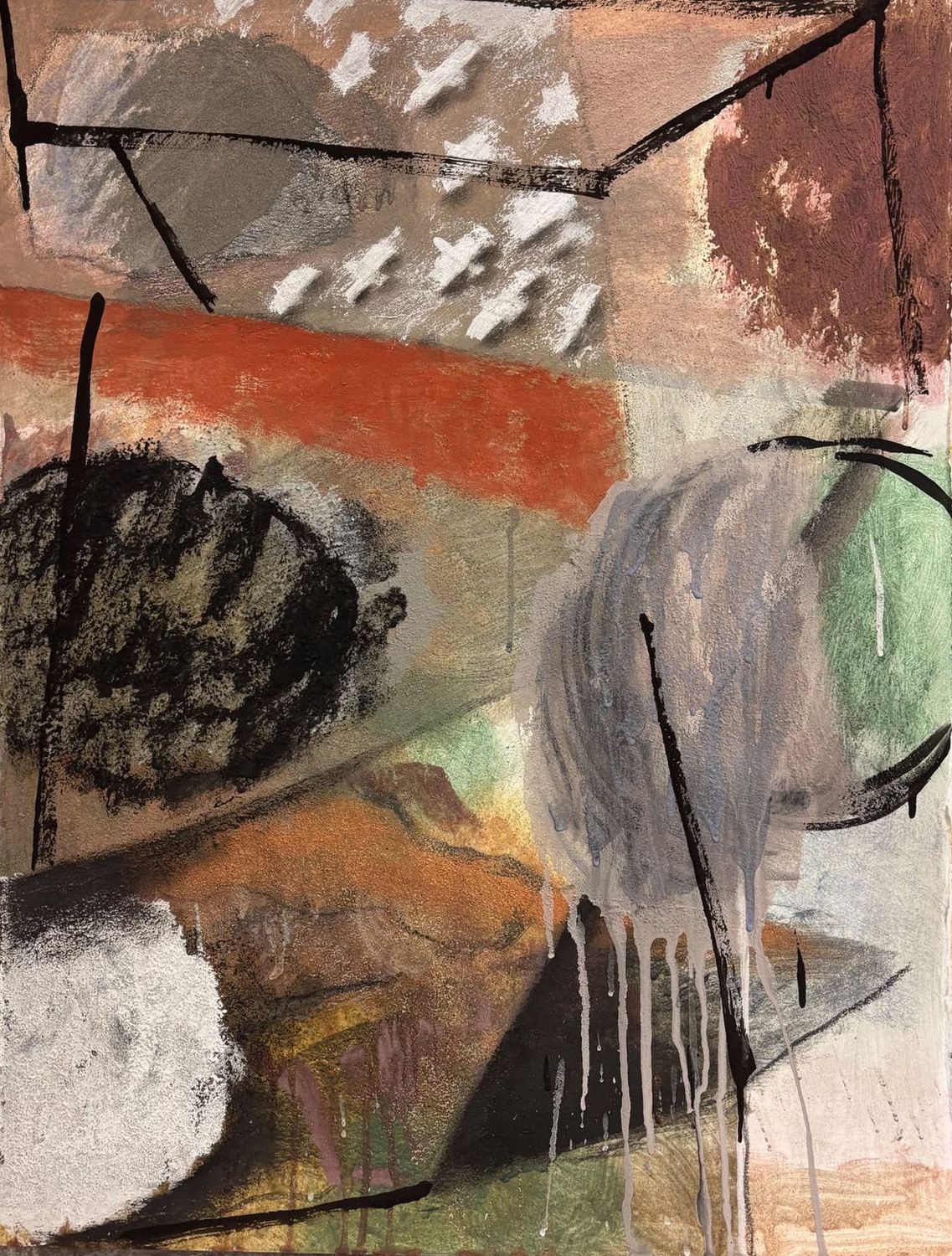
Bringing together five artists who use natural materials to create their own vivid dyes and pigments for their work. Pigments embody histories of chance, experimentation, and science, enabling self-expression and artistic movements from Renaissance to the present day. About The history of pigments is also a history of chance, experimentation, and science. Of particular importance is the fact that, since ancient times, pigments have served as a means of human self-expression and have contributed to the formation of major artistic movements in human history, such as the Renaissance, Impressionism, and Modernism. For contemporary society, color is a familiar part of everyday life. We are surrounded by vivid 4K and HD imagery, yet it is often overlooked that much of the color we see today has been made possible by the accumulated knowledge of pigments and chemical ingenuity. The changing colours of artworks have long drawn the attention of artists, conservators, museum professionals, scientists, and art collectors, in that the images, messages, and ideas embodied in a work can become obscure or even be lost through discoloration and fading. Change is inevitable and, in many cases, irreversible. Natural aging can give a work a subdued character and is sometimes appreciated as “antique elegance,” whereas accidents, improper storage conditions, and misguided restoration can cause serious damage to cultural property. In 1886, the display of works at the Victoria and Albert Museum, then known as the South Kensington Museum, sparked debate over whether exhibition might damage watercolors. Urban polluted air, visitors’ humidity, and the effects of gas lighting were identified as concerns, and scientific investigations were also conducted for the purpose of protecting the works. Moreover, a work does not end at the moment of completion; it is also an entity that continues to change over time. Oxidation, ultraviolet light, humidity, abrasion, and other factors alter color and texture, and such changes can sometimes lend a work greater depth and narrative quality. Accordingly, it is also important to adopt a perspective that, from the stage of production, designs the materials and the manner of change with aging in mind. However, not all change is accepted as desirable, and determining how far a change should be regarded as an effect of aging and where restoration should begin remains an important issue. Drawing Painting Installation Crafts Sculpture
Schedule
Starts
-
Thu, Sep 24, 2026 at 12:00 AM
Ends
-
Sun, Oct 18, 2026 at 11:59 PM
Location
1 White Conduit Street, London, N1 9EL, United Kingdom
WP
Presented by
White Conduit Projects