Exhibition
Isadora T. Almeida – Birdsong
Wednesday, November 18
12:00 AM - Dec 19, 11:59 PM
Kevin Kramer Gallery
New York, United States
Checking payment status…
Registration
Registration for this event is managed on an external website.
RSVPAbout the event
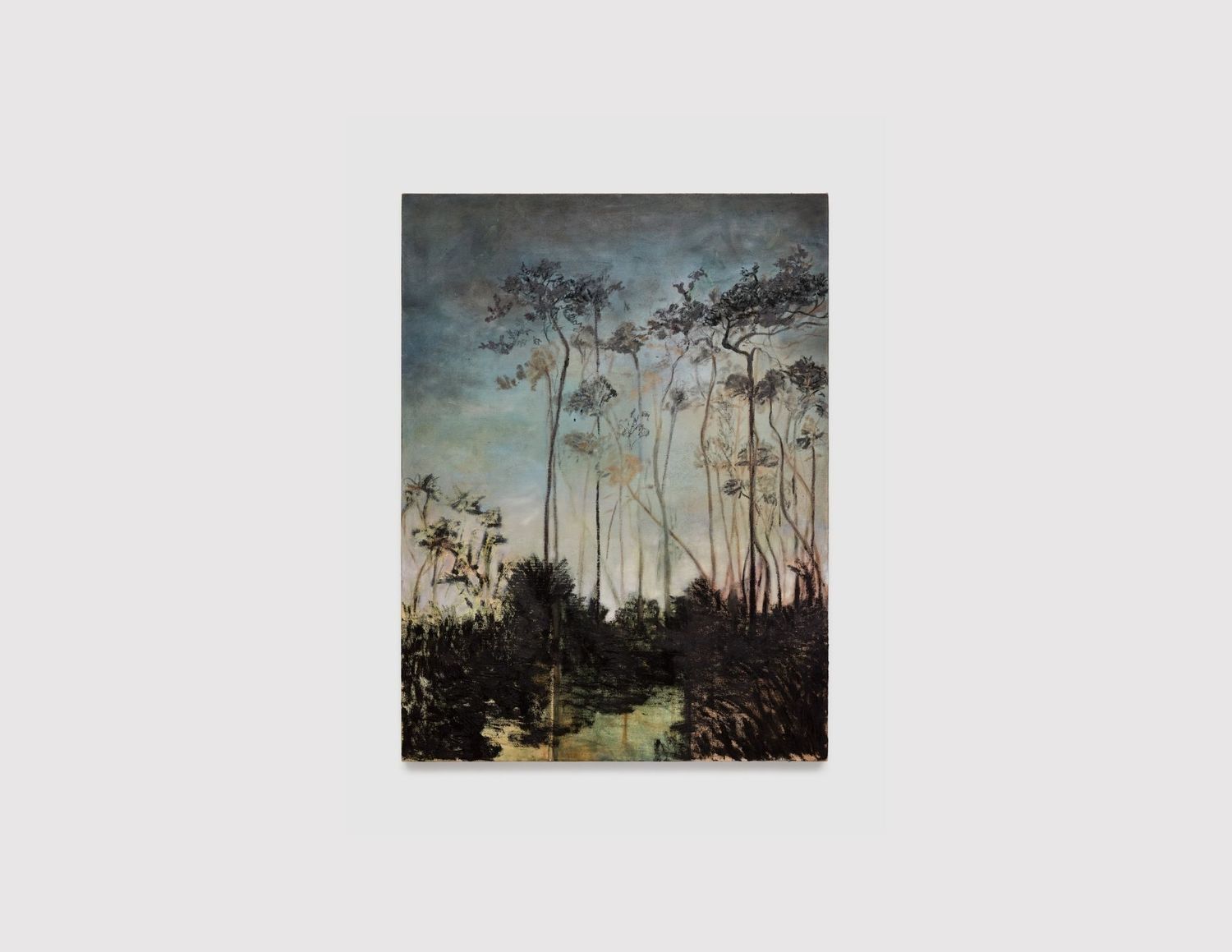
Isadora T. Almeida presents paintings exploring light, perception, and memory in this solo exhibition. About COURAGE TO ENDURE: Thoughts on light, life and perception from the works of Isadora Almeida. By Heron P. Nougeira The smoke of my own breath, Echoes, ripples, and buzzed whispers… loveroot, silkthread, crotch and vine, My respiration and inspiration… the beating of my heart… the passing of blood and air through my lungs, The sniff of green leaves and dry leaves, and of the shore and darkcolored sea-rocks, and of hay in the barn, The sound of the belched words of my voice… words loosed to the eddies of the wind, A few light kisses… a few embraces… a reaching around of arms, The play of shine and shade on the trees as the supple boughs wag, The delight alone or in the rush of the streets, or along feels and hillsides, The feeling of health… the full-noon trill… the song of me rising from bed and meeting the sun. Walt Whitman, from Song of Myself In Walter Benjamin's collection One-Way Street, there's a small text entitled Watchmaker and Jeweller, in which the German critic and philosopher suggests that a person who, perhaps while out on a hike (already awake and dressed) witnesses the sunrise, preserves, before others, some kind of invisible crown. As if the sun blesses the viewer with the energy to seize the day. As if watching the sun appear on the horizon were itself a blessing that happens through the eyes, a way of honoring its presence throughout the day. I find this idea to be beautiful. I like to think that what we see is not merely what we observe, but also something that enters our bodies through our pupils. The sun's light, which bounces off of everything, gets inside of us. The eyes are open holes through which light can dive, after all. Isadora Almeida was born in a very peculiar part of Brazil. This part of the Center-West region, called the Central Plateau, includes the Federal District, Goiás and Minas Gerais and consists of a gigantic mesa that stands at approximately three thousand feet above sea level. It is a high, dry and harsh area, dominated by the Brazilian cerrado, a biome composed of trees and animals that evolved to endure it. This contextualization feels relevant because Almeida's work is not detached from it, as I would argue no artist is detached from their history. Especially in Almeida's case, though, it is obvious and apparent how much her life and upbringing dictate the pace and interests of her artistic practice. Spending her childhood, her teens and her early adult life in that space has undeniably contributed to her perception of the visible world and helped shape her way of questioning it through painting. Almeida's oeuvre does not consist, by any means, of a task that simply aims to translate the landscape experience into images. It is an inquisitive practice, utilizing painting as a system to explore doubts and uncertainties about how we see things and how we carry them with us after seeing them. Almeida seems to have a very acute perception of how the things we see (just like what we eat, read and think) are essential to what we become. Much like the invisible crown resting upon the heads of those who watch the sunrise. Looking at her paintings over the past few years, I can only imagine how the sun and its light have taken root in the way Isadora builds her paintings. Even its absence is strongly evidenced by how dark the trees and vegetation become whenever a painting takes place at dusk or dawn. Armando Reverón, the Venezuelan painter, comes to mind. His passion for light is one that Isadora seems to share. Maybe the caress of light grew on her because she was three thousand feet closer to the sun than the rest of us living in cities at sea level. Maybe her eyes, acting as holes through which light can dive, got sunburnt from being so wide open. I don't know. What I can say and observe is that her paintings operate as vessels for light, or even, vessels for the memory of light. For many years, painters from South America have shown us, again and again, how tropical life fosters deep reflection and even, sometimes, a kind of wandering melancholy that is not expected from the clichés surrounding Brazil and its neighbours. There is a common misconception hovering in the art world that suggests intellectuality and sensibility are mutually exclusive, or inversely proportional. We often see artists praised for their sensible approach or their intellectual commitment. I see Almeida's work as a strong flagpole for the notion that these things are, many times, working in cahoots behind the curtains of art pieces. Even though I agree with a Sontagian perspective that the art object itself is purely sensible, that is, it is made to be absorbed by the senses, I understand that the process through which they're made involves a very strong mix of thought and feeling. Almeida is a dedicated scholar of painting. The study of Brazilian art history as well as European canonical landscapes is an essential part of how her work got to where it is. Her dedication to study of different surfaces, fabrics and even her recent stab at painting onto copper surfaces, are all traces of an artisan dedicated to understanding and pushing her craft forward. At the same time, she also knows that to be able to take in the singular experience of light, to be able to engrave it in her memories and in her eyes, she must strip herself of analytical predispositions and absorb the material – in her case, the light – with sensibility and care. To be able to question, study and think about life, one must, first of all, actually live. Read more Toggle Painting
Event schedule
Starts
-
Wed, Nov 18, 2026 at 12:00 AM
Ends
-
Sat, Dec 19, 2026 at 11:59 PM
Location
121 West 27th Street #702, New York, New York, 10001, United States